From One Courtroom to Another
Fresh off a win in court over Dodge Durango SRT Hellcat resale values, FCA US – the American side of Stellantis – is back in the legal hot seat. This time, it’s not about money or market trends. The focus is on a hardware issue that could impact driver and passenger safety.
A new class-action lawsuit says FCA and seat supplier Lear Corporation sold over 2 million vehicles with a faulty electric seat-height adjuster. According to the complaint, this part, found in several Dodge and Chrysler models, can collapse in certain rear-end crashes. If that happens, the seat could suddenly drop, shifting the occupant out of position with the car’s safety systems.
The lawsuit calls this a design and testing failure, and says FCA and Lear didn’t warn buyers about the problem. The case is now in federal court in Texas.
What the Lawsuit Says
The heart of the lawsuit is a small part called the seat height adjuster bracket. This piece connects to the seat frame and raises or lowers the seat when you hit the switch. The complaint says the bracket – about the size of a stick of gum – can fail in a rear-end crash.
Here’s how it works: an electric motor spins a screw, moving a nut and bracket to raise or lower the seat. In crash tests run by the plaintiffs’ lawyers, the bracket reportedly broke during a 25-mph rear impact. That caused the seat to drop, potentially leaving occupants out of position for seat belts and airbags.
Vehicles listed in the complaint include:
- 2011–2023 Dodge Charger
- 2011–2023 Chrysler 300
- 2011–2023 Dodge Challenger
- 2011–2017 Chrysler 200
- 2013–2016 Dodge Dart
The lawsuit also accuses FCA and Lear of concealing the issue and failing to alert regulators and customers, and it adds additional claims under consumer protection laws and racketeering statutes. Plaintiffs are seeking class-action status covering current and former owners or lessees across the US.
Dodge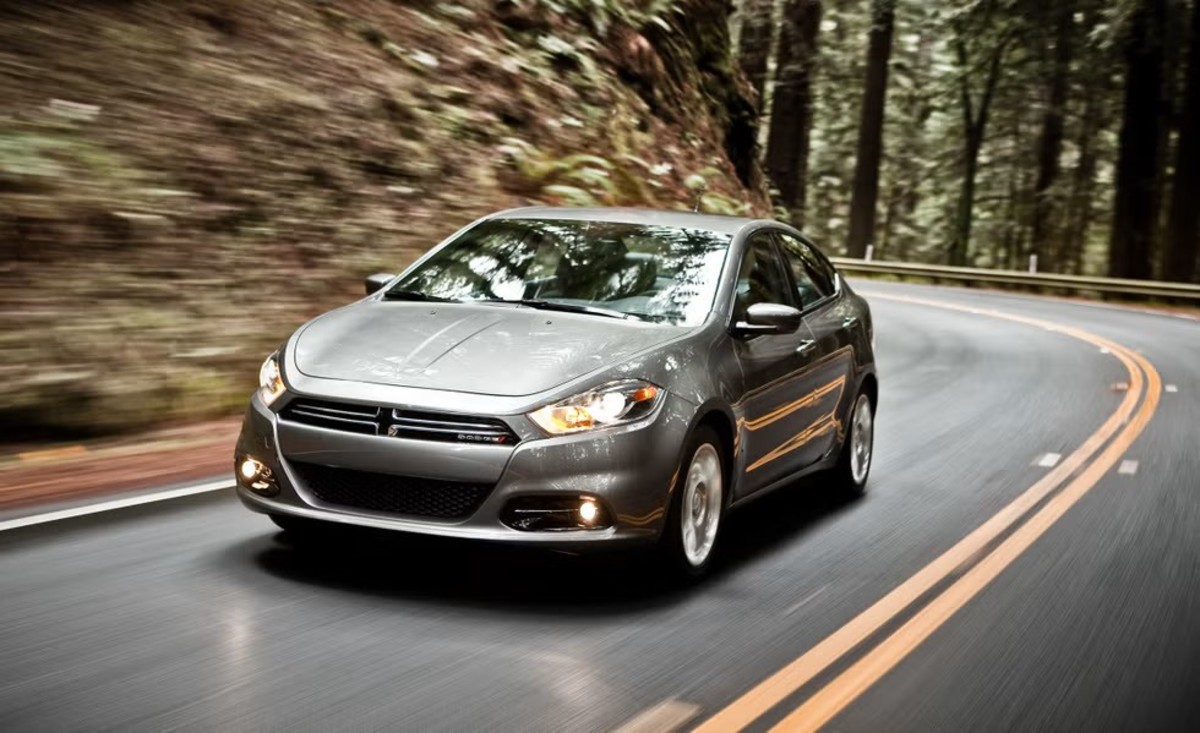
What Happens Next
Like most defect lawsuits, these are just early claims, not proven facts. FCA hasn’t responded in court yet, and it’ll probably be months before we know if the case will go to trial or get class-action status.
The outcome will likely depend on crash-test data, engineering decisions, and whether the adjuster poses a significant safety risk to most drivers. Automakers usually argue that lab tests don’t match real-world crashes, or that failures only happen in rare situations. Expect that debate to be front and center as the case moves forward.
Whether this leads to a recall or remains in court will depend on the evidence and regulators’ response. For now, owners of these models should monitor developments.
Chrysler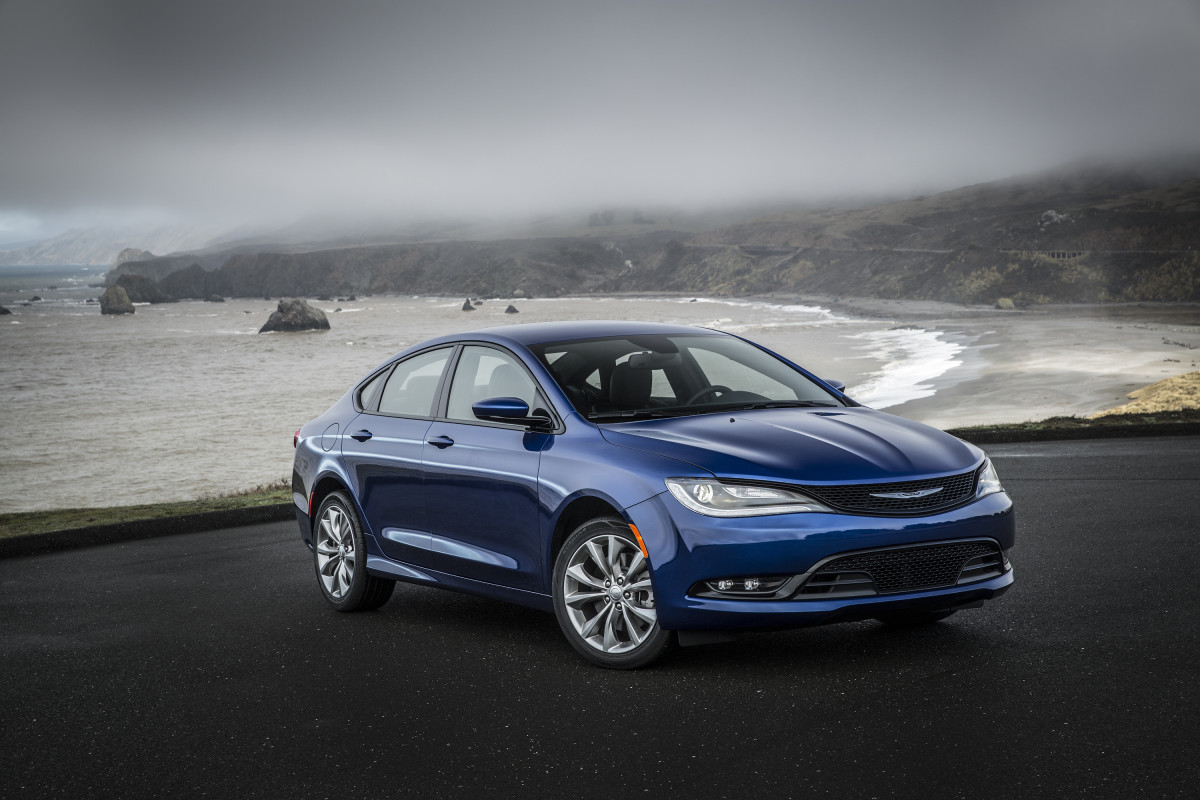
View the 4 images of this gallery on the
original article
