Big Shoes To Fill
It was the turn of the century, and Honda engineers were hard at work developing a much-needed replacement for the legendary B series line of engines. These naturally-aspirated four-cylinder motors had powered everything from the brand’s fleet of compact economy cars like the Civic Si, to lightweight sporty coupes like the Del Sol, and even entry-level performance sedans like the Acura GS-R through the ‘90s.
Honda
The B series motors were known for their robustness and reliability, while their high-revving nature, responsiveness to modifications, and relatively simple construction had made them a tuner’s favourite. Creating a replacement for this beloved motor was a tall order; the new engine had to be compact and lightweight, rev-happy with a high redline, fuel-efficient, and extremely versatile. And thus the K series engine was born, first seen in the Integra Type R and Civic Type R in the Japanese market, making its way to the U.S. to power the next year’s Civic Si and Acura RSX. This engine architecture has since come to define Honda’s four-cylinder identity.
Honda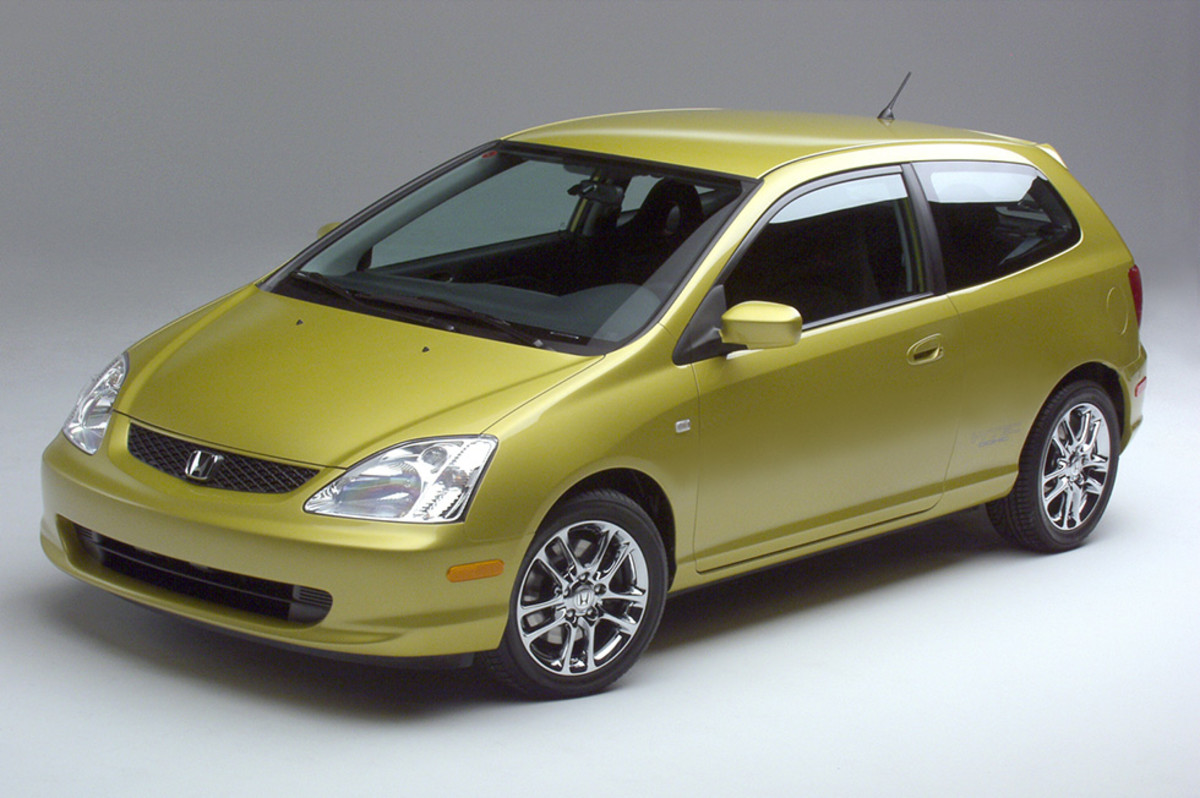
View the 2 images of this gallery on the
original article
Early Days
The K series engine was never meant to be revolutionary; it was designed as a practical successor to the popular B series, one that could meet the tightening emission regulations of the time and suit a wide range of models across markets. It marked Honda’s shift from timing belts to timing chains, featured a stiffer block architecture than its predecessors, and further refined Honda’s excellent variable valve timing technology — yes, VTEC.
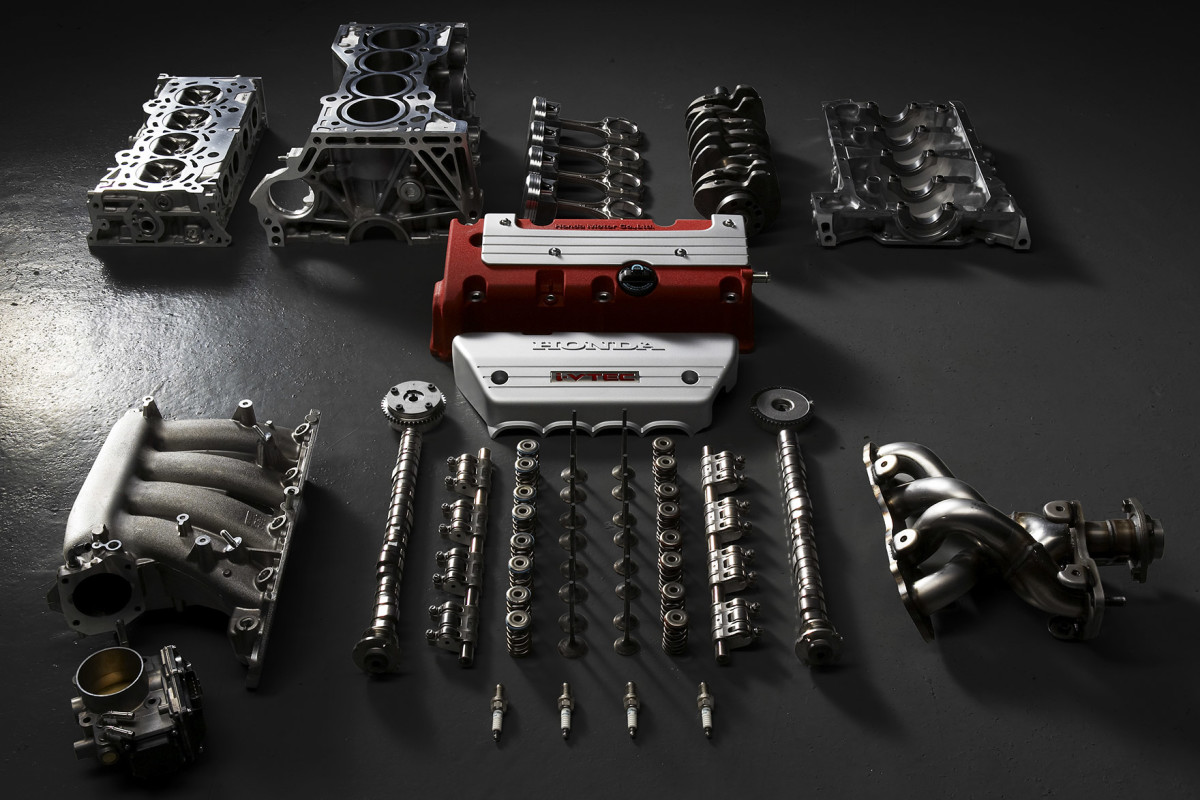
Available in various capacities in the U.S. to suit a number of models in Honda’s range, the K series engines were engineered for hassle-free daily use and reliability. The platform’s aluminum construction kept weight in check, while the updated block design offered excellent rigidity. The platform soon proved its durability with engines that regularly surpassed 200,000 miles with just oil changes and basic care. These engines could just keep running without protest, whether trudging through rush hour traffic every day for years, or singing away at redline for extended periods.
Honda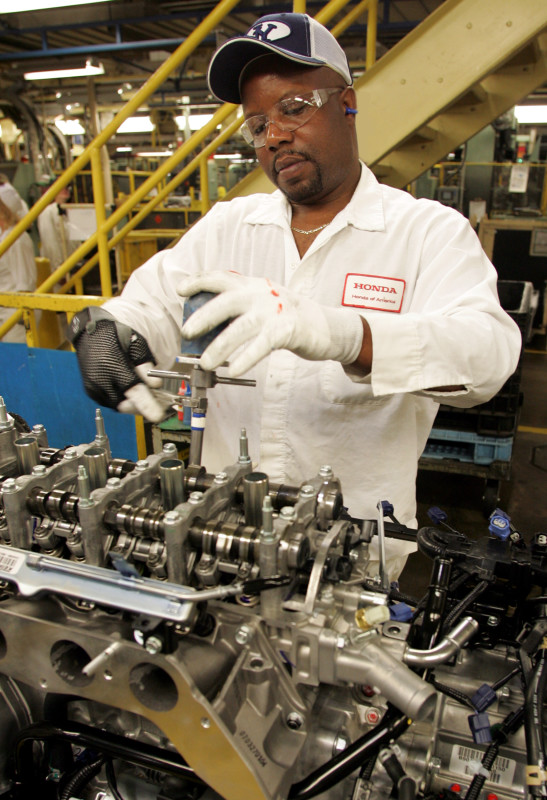
Honda’s K series range of engines also proved their versatility, delivering smooth torque, efficiency, and low emissions in commuter applications, while offering high-revving thrills in performance trims without sacrificing real-world drivability. By 2005, K series engines of various capacities, both naturally-aspirated and turbocharged, powered a number of Honda and Acura-badged models, from simple commuters, midsize sedans, and performance compacts to crossovers and SUVs.
Honda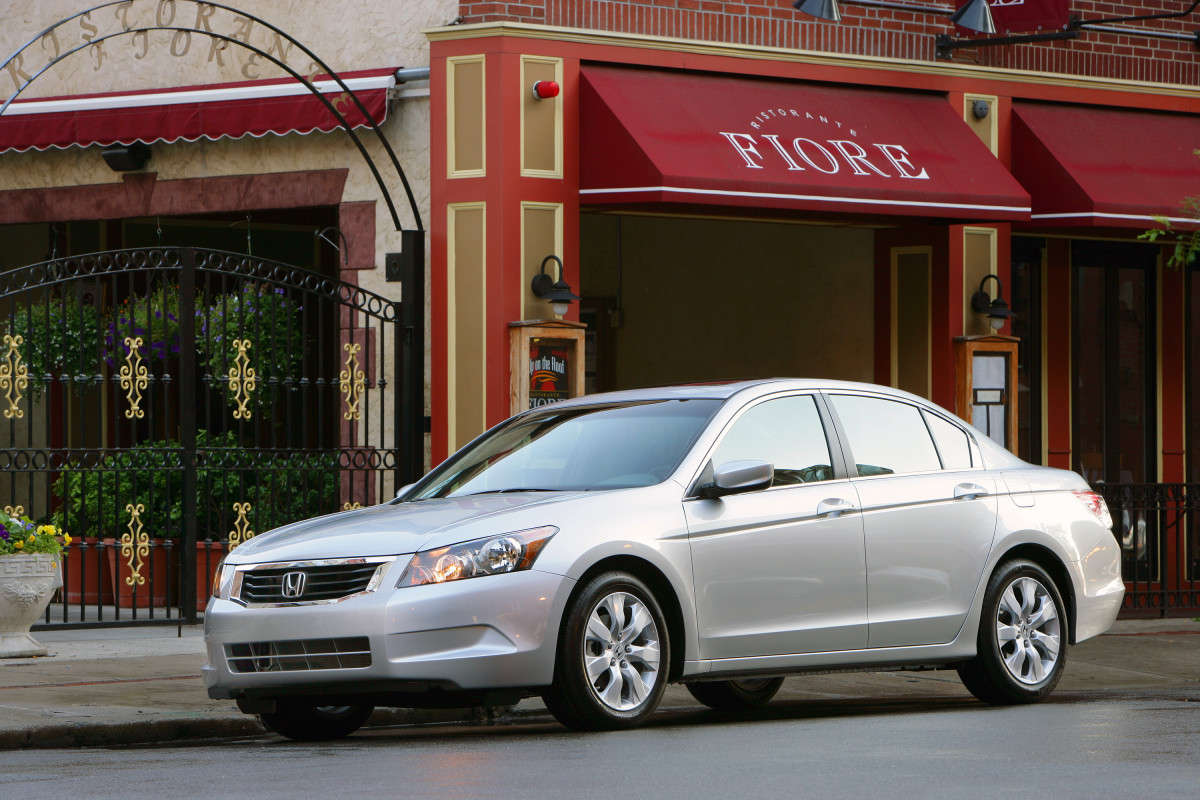
Tuning Scene
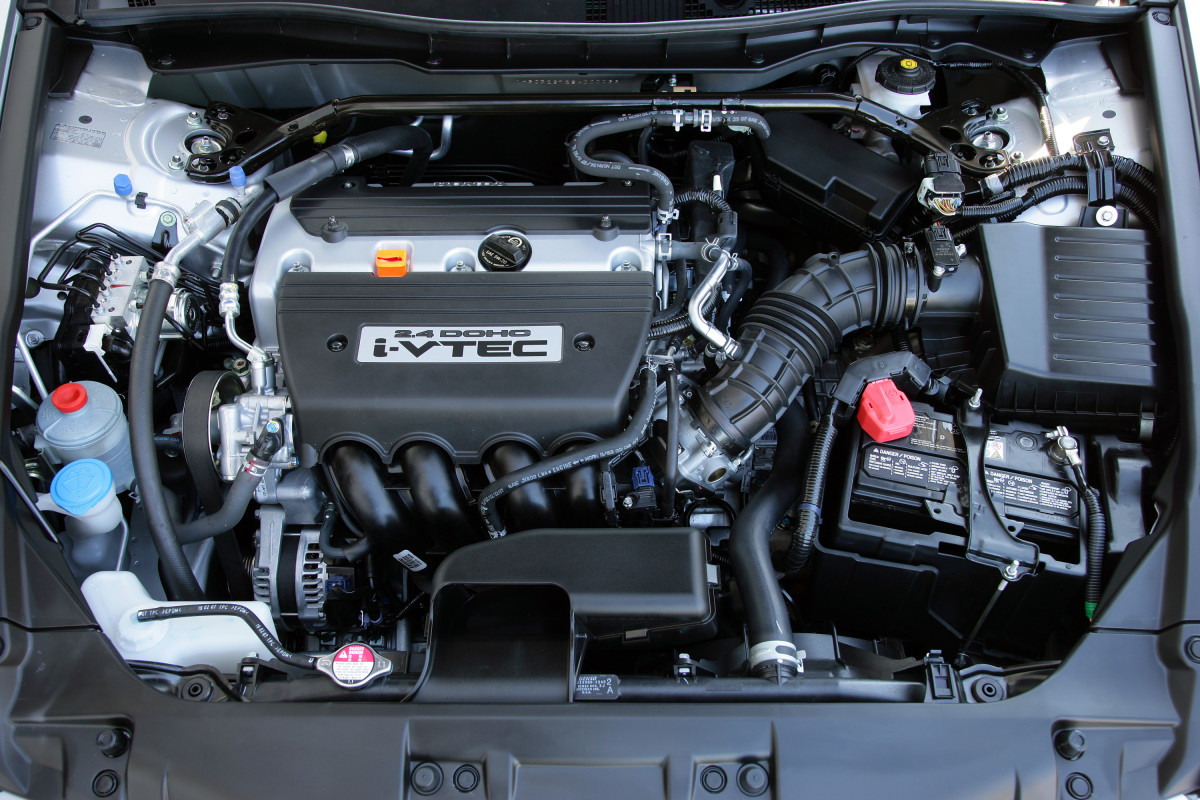
It soon became apparent that Honda’s latest generation of four-cylinder engines was extremely robust and overengineered, and unusually receptive to performance modifications. ‘K Swaps’ became extremely popular as the once skeptical tuning community, still attached to their old B series motors, acknowledged the performance headroom and vast tuning potential of the newer engines. The architecture’s free-revving nature lent itself well to the demands of high-rpm builds, while the rigid, seemingly indestructible cast aluminum block could handle boost pressures without breaking a sweat.
Honda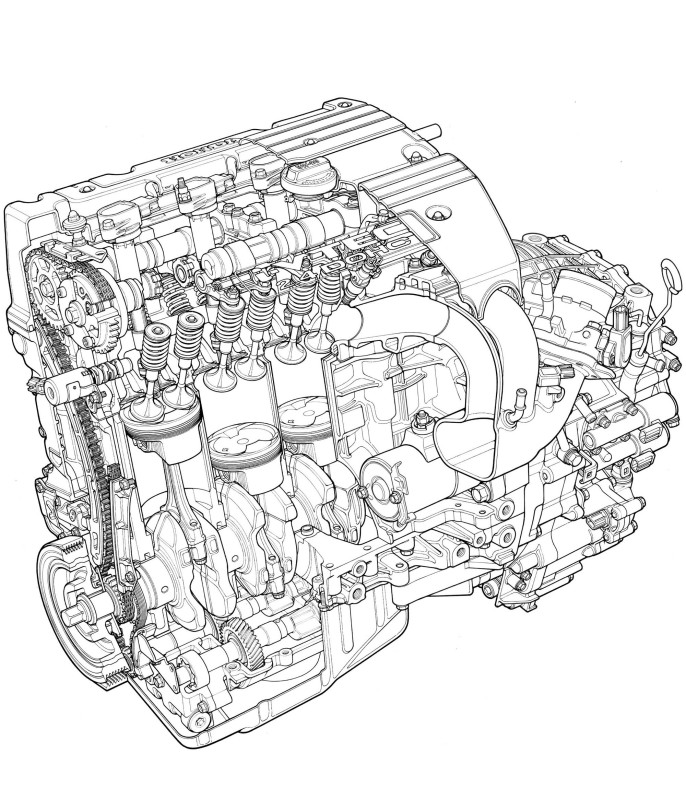
Overbuilt internals and an efficient cooling system contributed to the K series’ ability to accept loads of modifications and still keep running reliably. In just a couple of years, the platform became a favourite of tuners across the globe; its adaptable nature turned it into one of the most swapped and tuned motors of the modern era, with a thriving aftermarket scene growing around it.
Did Honda Hold Back?
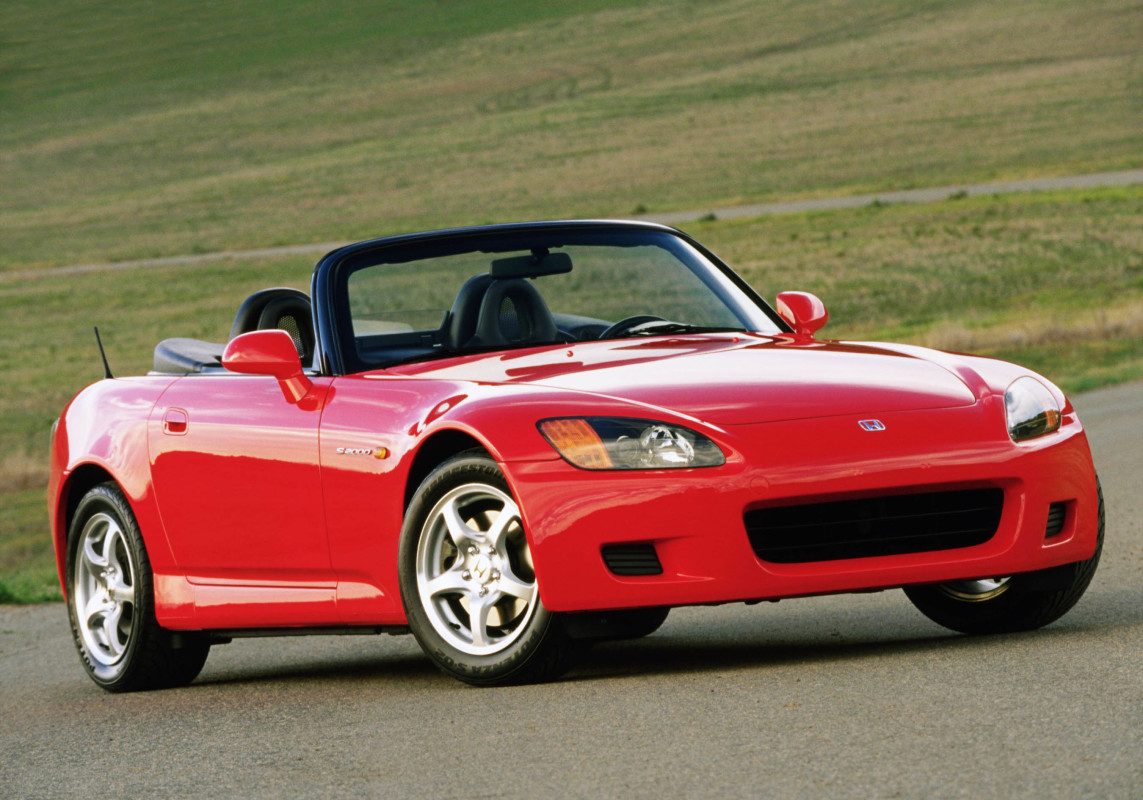
It is believed among some tuning circles that Honda deliberately hamstrung the K series engines from the factory by strategically limiting volumetric efficiency and using conservative cam profiles to restrict its specific output. The story goes that the engineers assigned to create Honda’s next bulletproof mass-market four-cylinder motor did their job a little too well, and early prototypes of the K20 engine threatened to make more power per liter than the more expensive S2000 and NSX.
View the 1 images of this gallery on the
original article
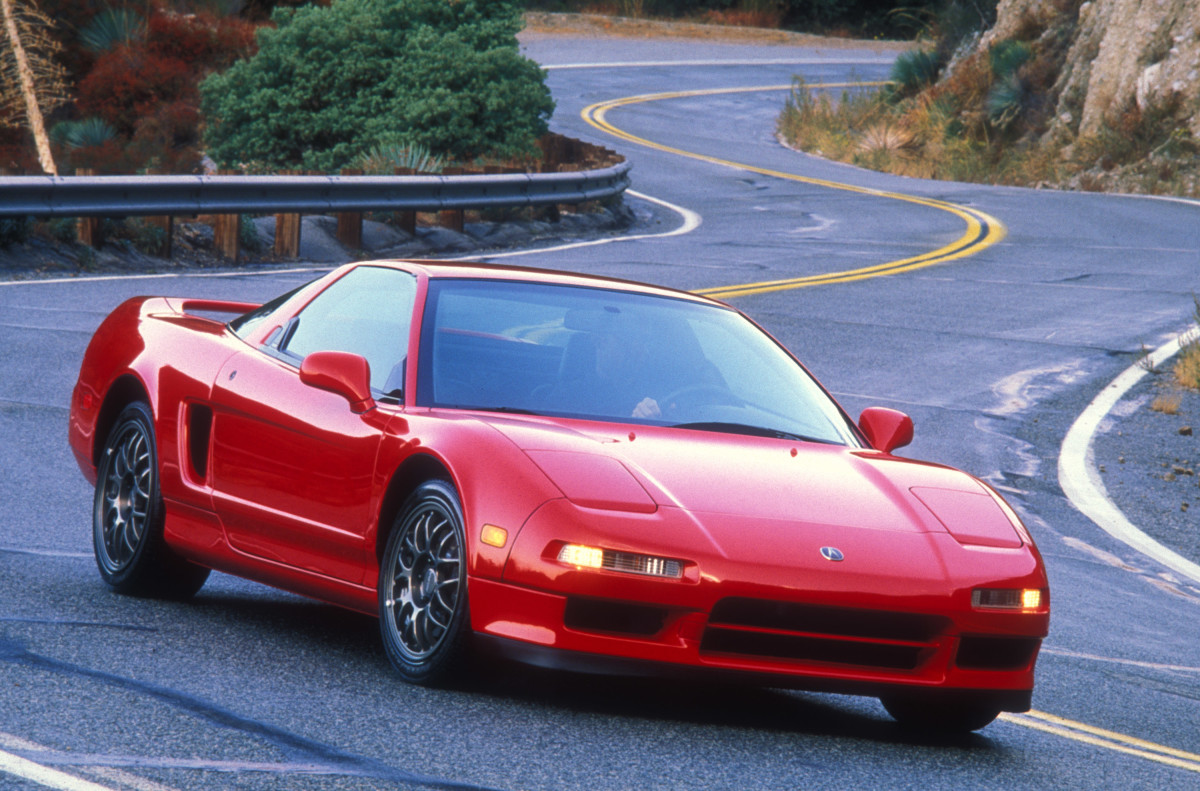
At the time, the S2000’s F20C boasted the highest specific output of any naturally-aspirated engine in the world, and the mid-engined NSX was positioned as a usable and reliable alternative to European supercars. There was no way that Honda management could permit this new engine, destined for the humble Civic, to outshine their sporty rear-wheel-drive roadster and F1-influenced halo car; it just wouldn’t suit the brand’s internal product positioning.
It is thus believed that the engineers had to resort to using various measures to limit the engine’s breathing capacity and volumetric efficiency. These included narrower than optimal intake manifolds that incorporated sudden bends designed to slow down air flow, milder cam profiles than originally intended, and conservative fuel maps. Ultimately, the first production K20 engines made between 200 and 220 horsepower.
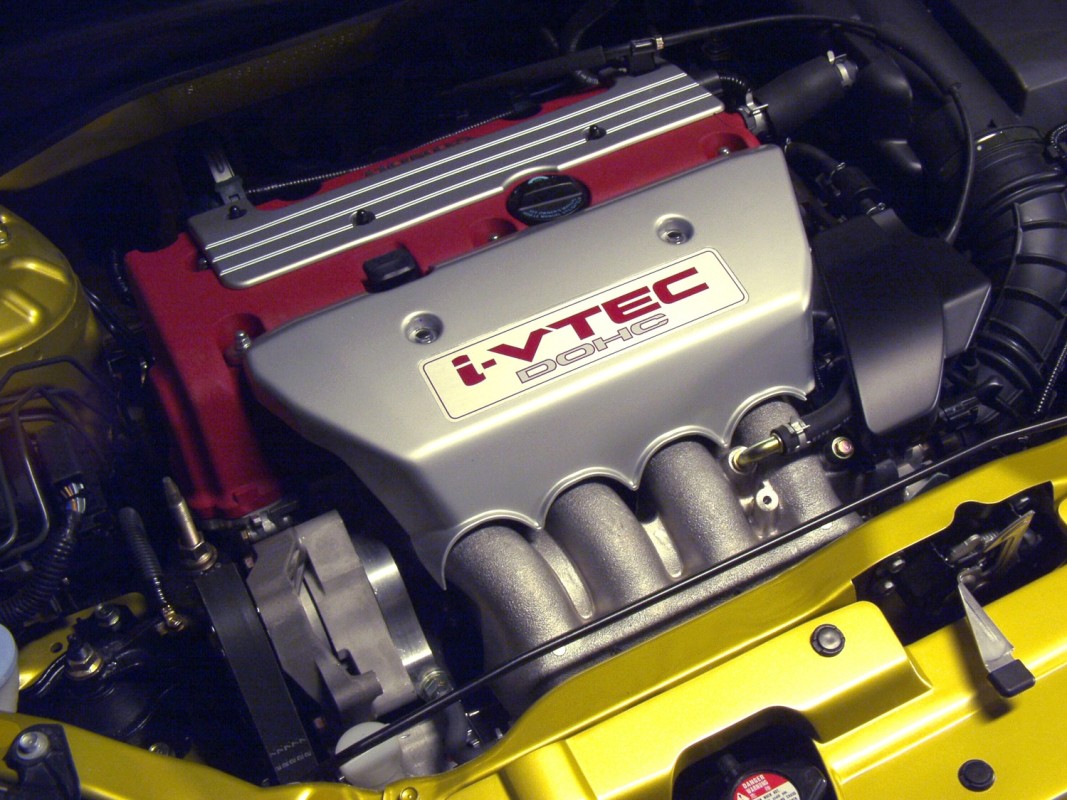
Tuners, however, soon discovered that with a few basic bolt-on mods and a remap, the mild-mannered K20 motor could breathe so much better and effortlessly push out over 250 horsepower while feeling completely unstressed, all with stock internals. Honda, of course, claims that the engine was designed to be durable, reliable, and meet the emission regulations of the time; we’ll never know.
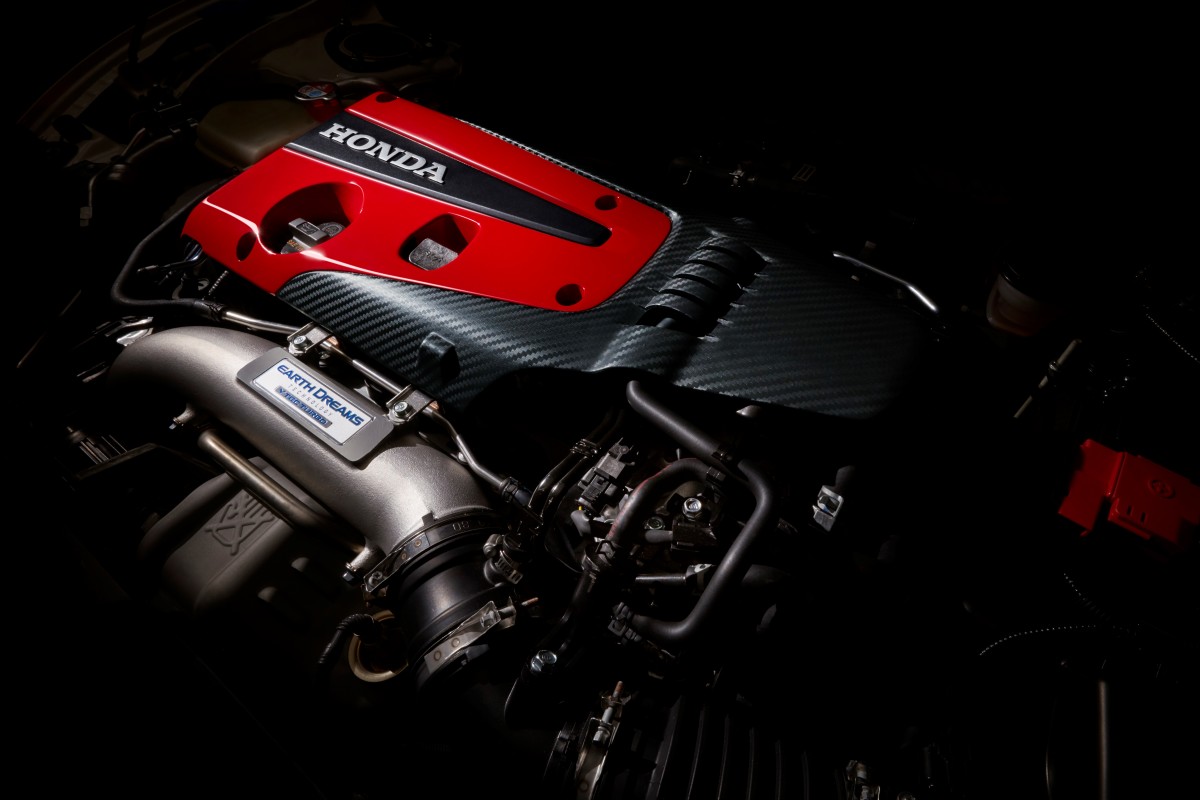
The K20 Today
The most modern iteration of the K20 engine architecture is the K20C developed in 2015, variations of which continue to power various iterations of the Accord, Civic, and Civic Type R, as well as Acura’s Integra Type S, RDX, and TLX to this day. The K20C was designed to be even more robust and durable to handle the increased crankcase pressure that comes with turbocharging, and was tuned to prioritize mid-range torque generation over peak power.
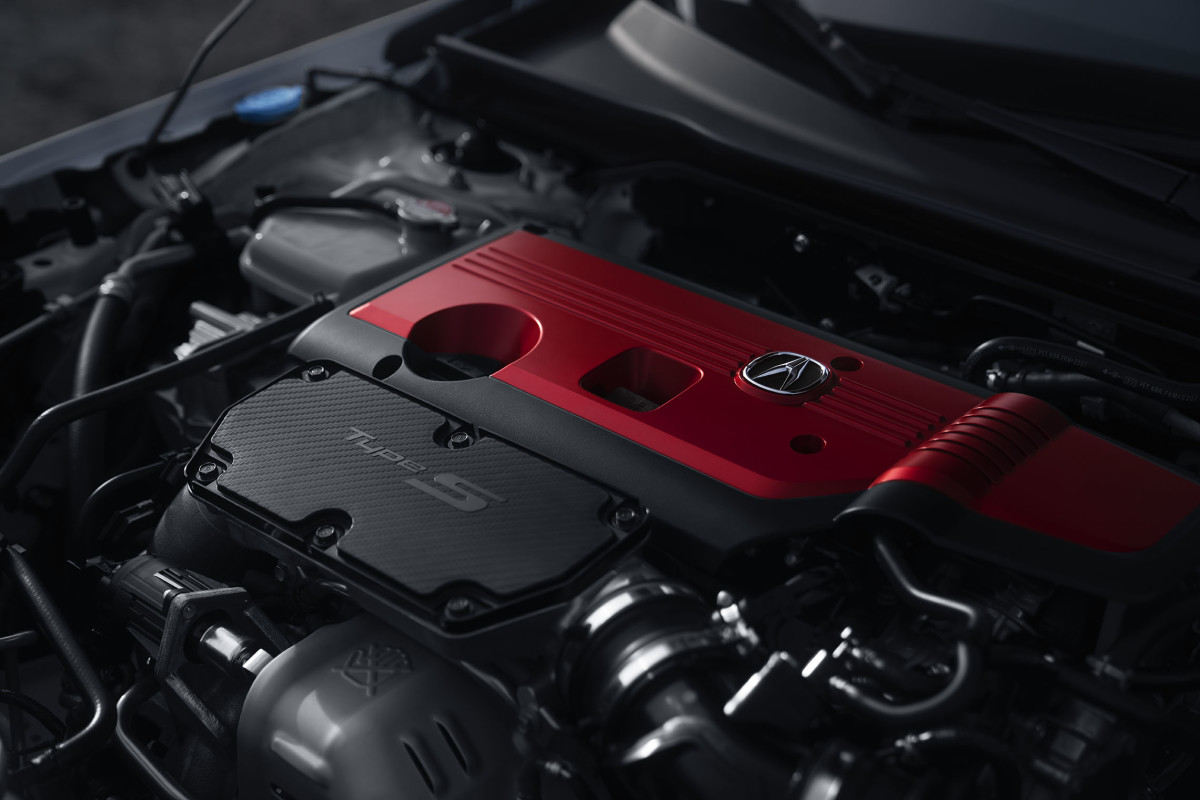
Into the Future
25 years on, the K series engine platform continues to evolve with the incorporation of direct injection, improved combustion efficiency, and turbocharging to keep it competitive in an ever-evolving industry. Its flexible architecture, robust build, and real-world reliability are most responsible for its longevity, and enable Honda to meet modern demands without having to completely redesign the platform’s basic structure. Honda have also hinted that we might see a hybridized version in the near future, so it seems that the K series engines aren’t going anywhere just yet, even as electrification looms.
